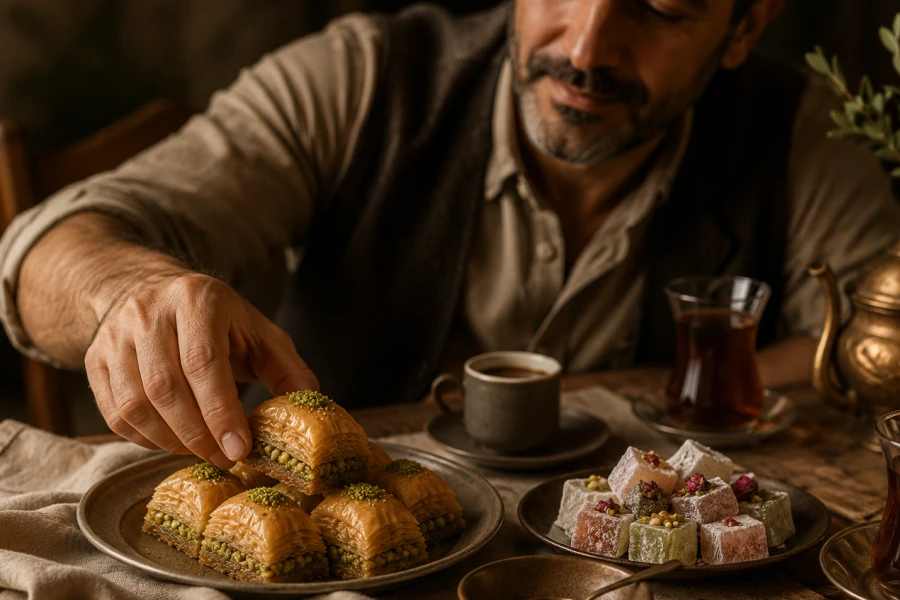
Baklava and Turkish delight reward people who stop rushing dessert. Their appeal comes from contrast, patience, and small details. One is crisp, buttery, and syrup-soaked. The other is soft, fragrant, and delicately chewy. Together, they show how Turkish sweets create atmosphere. They also teach useful lessons for home bakers. Precision matters, but perfection is not the goal. The goal is pleasure that feels thoughtful. These desserts make coffee feel richer and conversation feel longer. That is why they remain so beloved.
The timeless quality comes from balance. Baklava brings drama through layers and shine. Turkish delight offers restraint through aroma and texture. Neither dessert needs complicated decoration to impress. Their beauty comes from craft. Home bakers can learn a lot from that idea. A dessert can feel elegant without being fussy. It can also feel festive without becoming oversized. The classic Turkish sweets tradition makes every piece feel deliberate. That sense of care turns simple serving into memory.
Contrast makes the pair exciting. Crisp pastry wakes up the palate first. Syrup adds gloss and depth. Nuts bring warmth and structure. Then delight shifts the experience completely. Its softness feels calm after flaky pastry. Rose, citrus, pistachio, or fruit notes create fragrance. Powdered coating keeps the sweetness graceful. This contrast helps hosts create a dessert spread with movement. Guests can enjoy variety without feeling overwhelmed by too many choices.
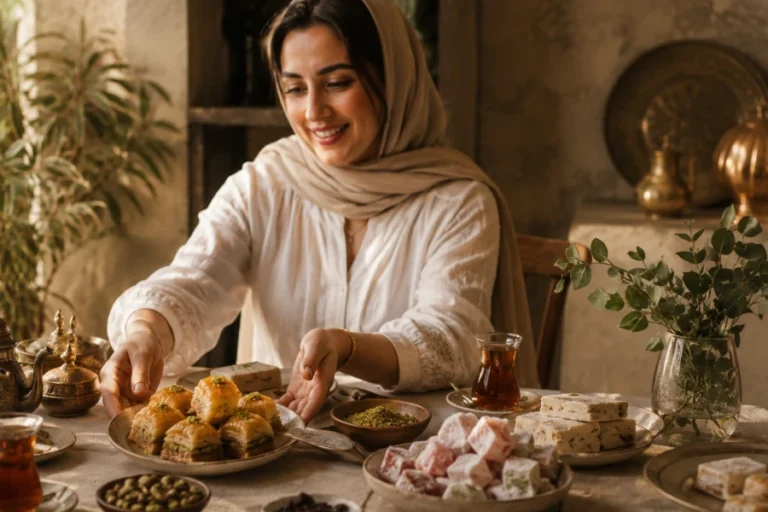
A strong dessert moment begins before plating. Choose a quiet surface and let the sweets stand out. Use small plates because these flavors are concentrated. Add unsweetened tea, dark coffee, or sparkling water. Keep napkins simple and textures natural. The food should remain the focus. A few pistachios or dried fruits can add color. Avoid crowding the tray with unrelated treats. The home baking desserts approach works best when presentation supports flavor. Every detail should make tasting easier.
These desserts teach patience in different ways. Baklava asks you to respect layers. The syrup must be prepared with attention. The pastry needs a clean cut before baking. Turkish delight asks for steady heat and careful setting. Texture can change quickly when timing slips. Beginners should not fear that process. Each attempt builds understanding. Mistakes usually reveal what needs adjusting. That makes the learning curve practical rather than discouraging. You become a better baker because the desserts show cause and effect.
Confidence comes from knowing what each sweet contributes. Serve baklava when you want richness. Serve Turkish delight when you want fragrance and charm. Use both when you want a table that feels complete. A small arrangement often looks more refined than a crowded platter. Let each shape remain visible. Keep portions neat. Pair flavors thoughtfully. The Turkish dessert pairings make it easier to choose drinks and accents. Good hosting feels calm when the plan is clear.
You do not need a special occasion to enjoy these sweets. A weekend coffee table is enough. A family dinner can become more memorable with one careful tray. A homemade box can become a meaningful gift. These desserts travel well emotionally because they feel generous. They also make home baking feel connected to culture. Start with one flavor and one technique. Repeat it until the process feels natural. Then add another variation. Over time, your kitchen gains a sweeter sense of tradition.


Leave a comment