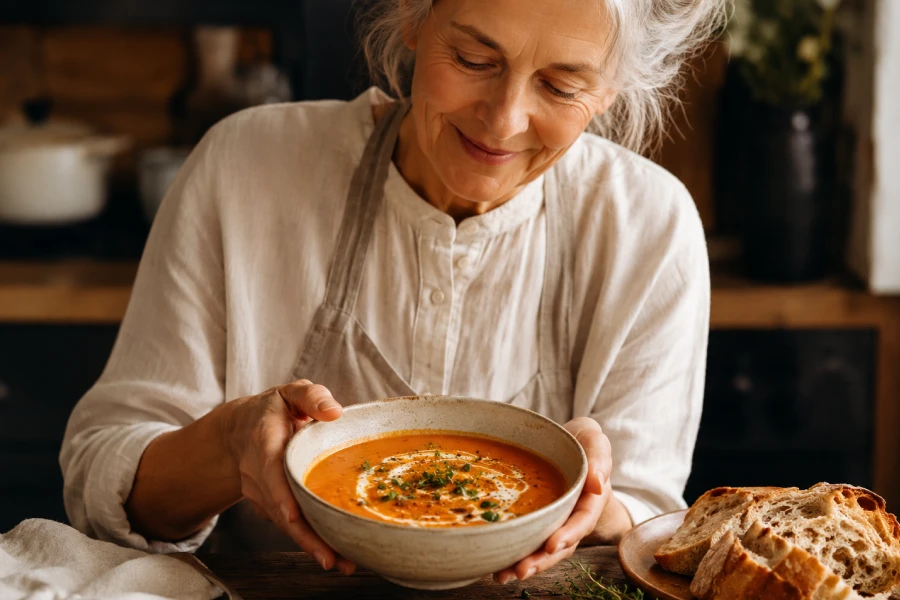
French soup recipes show how modest ingredients can become elegant. A few vegetables, herbs, broth, and time can create deep comfort. The style is not about extravagance. It is about drawing flavor from what you already have. Onions become sweet. Leeks become silky. Tomatoes become bright. Herbs add quiet structure. This kind of cooking rewards attention more than expense. Home cooks gain confidence because the methods feel logical. The bowl looks simple, but the flavor feels carefully built.
Refinement comes from layering. Aromatics soften first. Broth carries flavor through the bowl. Herbs create direction. Texture gives the soup its mood. A smooth soup feels calm. A rustic soup feels generous. A clear broth feels clean. The French comfort recipes tradition helps home cooks make everyday ingredients feel composed. Nothing needs to be loud. Each part simply needs to contribute.
Most strong soups begin with patience. Vegetables need time to soften. Salt should enter gradually. Broth should taste good before anything else joins it. Herbs should be chosen with care. Cream should add body, not heaviness. Bread can become part of the experience. Cheese can create richness when used sparingly. These foundations make the final bowl feel balanced. They also make improvisation safer. Once you know the structure, you can adapt with confidence.
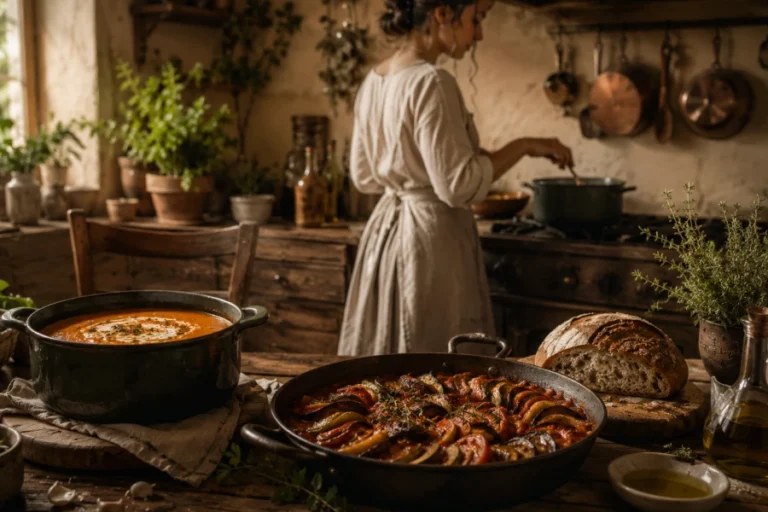
Texture changes the emotional effect of soup. A blended pot feels elegant and quiet. A chunky vegetable soup feels rustic and generous. A broth-based soup feels light and restorative. A gratinéed top feels celebratory. Choose texture based on the meal you want. Weeknights may need simplicity. Guests may appreciate a more finished presentation. The soup and ratatouille recipes approach helps connect texture with serving purpose. That makes each bowl feel deliberate.
Seasonal cooking suits soup naturally. Spring leeks create a gentle bowl. Summer tomatoes bring brightness. Fall squash adds sweetness. Winter onions create depth. Herbs can shift the flavor without changing the method. This flexibility makes soup useful all year. It also reduces waste. Vegetables that look ordinary can still become beautiful. French soup recipes help cooks see possibility in the market basket. The result feels practical and refined at the same time.
Serving completes the experience. Warm bowls before filling them. Add herbs at the end. Use good bread for contrast. Keep toppings purposeful. A swirl of cream can soften color. A few croutons can add crunch. Cheese should support the flavor. The classic French soups style values restraint. The bowl should look inviting, not decorated for its own sake.
Soup teaches timing gently. You can taste as you go. You can adjust salt. You can add herbs slowly. You can decide whether to blend. This makes the process forgiving. It also trains the palate. Each pot helps you understand sweetness, acidity, richness, and texture. Over time, soup becomes one of the most useful meals in your kitchen. It feeds people well without demanding spectacle. That quiet confidence is the real reward.


Leave a comment